

Leading the shift to reusable bags in Southern Brasil
At EcoBB - Eco Bag Brasil, we are on a mission to eliminate single-use plastic waste across Paraná and beyond until 2036.

Born in Dublin, designed for Brasil
EcoBB is an environmental initiative dedicated to replacing disposable plastic bags with durable, planet-friendly alternatives.
We learned from Ireland’s plastic bag levy, which cut bag use by around 90%, and we’re adapting that approach with Brazilian communities, businesses and government.
We understand Brasil is a big and diverse country, so this won't happen overnight. Our purpose is to start in Paraná, our home estate, moving across the South, until we successfully implement the initiative in our 26 estates.
Lasting change doesn’t happen overnight, so we must move gradually, step by step, so that shoppers, stores and suppliers have time to adapt.
This transition is a partnership with the federal government.

The Problem
Brasil produces about 13 billion tons of single-use plastic a year, making it the largest producer in Latin America. By the time you finish reading this sentence, around 15,000 disposable plastic items have been made.
A Gap in Recycling
Even the most optimistic data show that Brasil recycles less than 2% of the plastic it generates.

From Shop To Sea
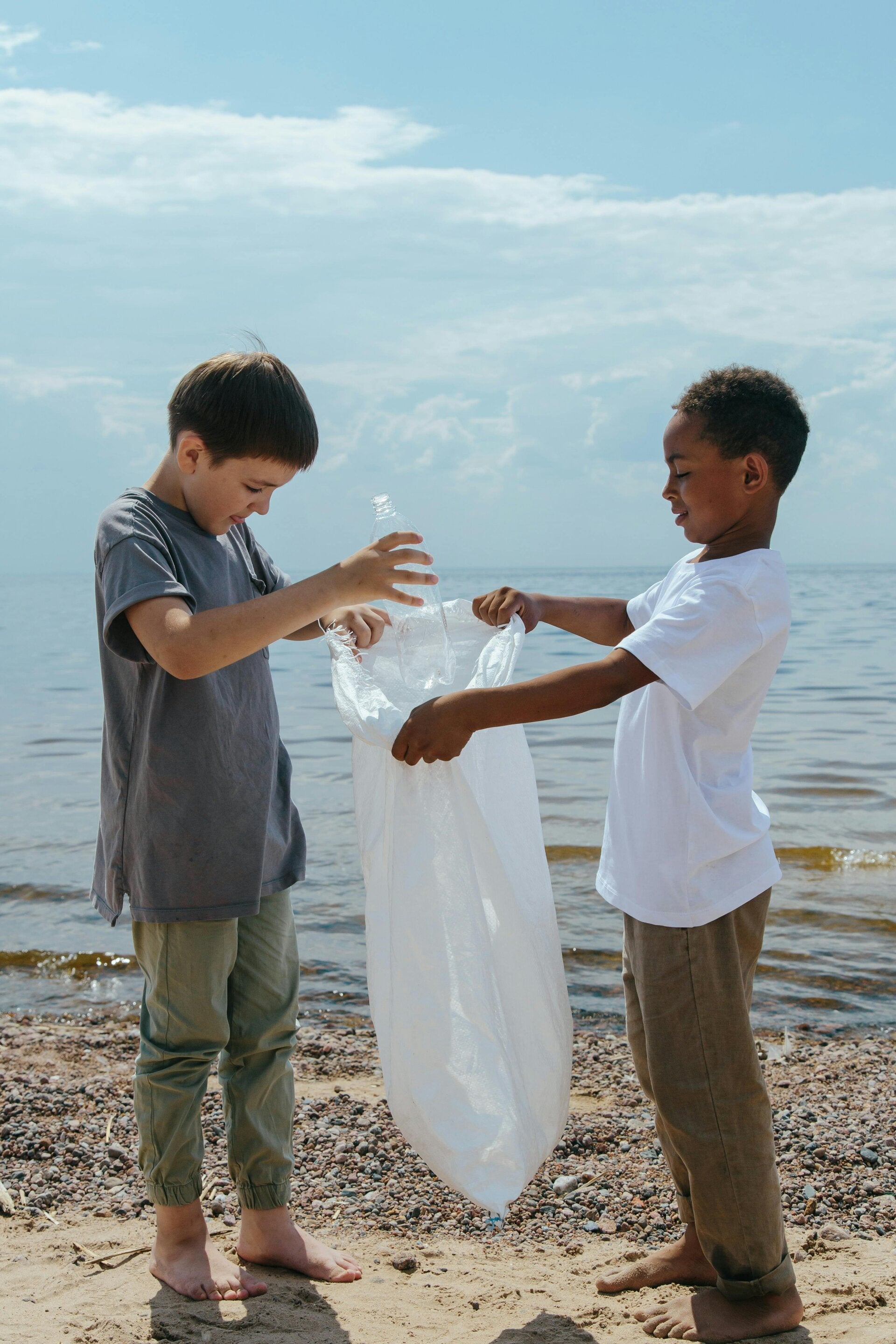
A UN Global Compact study identified at least 600 major “gateways” where plastic pollution enters the ocean, with rivers such as the Amazon, São Francisco and Guanabara Bay among the critical routes. The Blue Keepers study estimates 3.4 million tons of plastic discarded by Brazilians reach the ocean each year. Over 90% of the waste found on Brasil’s beaches is plastic.

Community and Wildlife Impact
Plastic pollution affects the quality of air, soil and water supply systems. Researchers identified northern Brasil as one of the biggest sources of plastic waste in the environment, possibly because of a lack of recycling centers and the region’s vast river network. Communities with poor sanitation and waste collection feel it first. The Blue Keepers study points to poor waste management, low recycling and reuse, and housing without sanitation or waste collection as root causes.