Understanding the Market

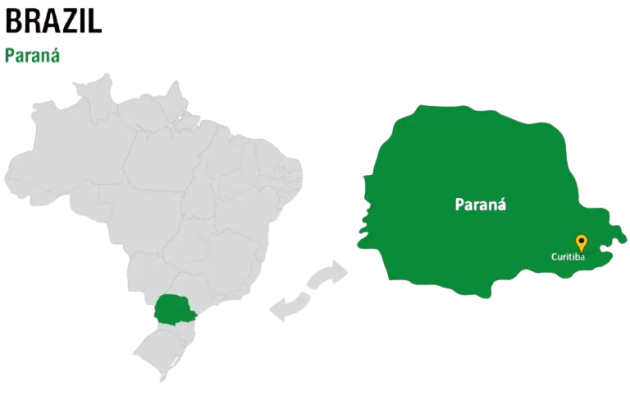
Paraná offers a significant opportunity for reusable shopping bags. The state has approximately 5050 active supermarket businesses and 24577 grocery stores and minimarkets. 

These figures highlight the potential market for supplying reusable bags to supermarkets and retailers across the state. 
Target Audiences

Primary: Factories - Supermarkets - Grocery Retailers

Secondary: Individual Customers 

Competition

This initiative is competitor-free. We are not trying to eliminate competition; what we want is to inspire market transformation and conscious consumption. We want a sustainable retail and manufacturing ecosystem. 

Understanding the Consumer

Some shoppers don’t see the appeal of sustainability, others choose plastic for convenience, and many reuse bags as trash liners, a common habit in Brasil. Others are already on board and ready to lead. EcoBB speaks to all of them.

"I’ve made plastic bags for supermarkets for twenty years. If this moves forward, will there still be a place for my factory? And who pays for the new machines?"

Joaquin, 48
Factory Owner

“I go to the market every day. I forget my bag, and now I have to pay for another one? I don’t see what a little bag has to do with pollution.”

Josephine, 54
Convenience Consumer

"As a young person, I believe we should be most concerned about the future of the planet we live on, and reducing single-use plastic, as well as all the unnecessary consumption is a good step."

Grace, 25
Student

About the Concerns

Will there still be a place for my factory?

Yes. EcoBB is built around existing Brazilian factories, not around replacing them. Manufacturers keep their workers, their clients and their place in the supply chain. The change is gradual, so no one is forced to stop producing overnight.

Who pays for the new machines?

No factory should carry that cost alone. Because EcoBB is a partnership with the government, the plan includes support and incentives for factories that adapt. Upgrades are targeted, only where needed, and not every line has to change.

What will my factory make if plastic bags are no longer needed?

Many factories already make more than one product, and EcoBB builds on that. Brazilian packaging companies often work across several formats, such as big bags, welded sacks, liners and form-fill-seal packaging, in both polypropylene and polyethylene. Raffia packaging is also widely used in agriculture, the chemical industry and mining, so the skills involved serve more than one market. A factory that moves from plastic bags to durable raffia bags keeps making bags, and the rest of its business continues as before.

I forget my bag. Why should I pay for another one?

Forgetting is normal, and the goal isn’t to punish anyone. The EcoBB Bag is durable and folds small, so it’s easy to keep in a purse, pocket or car. The transition is gradual, with reminders and help in stores, so no shopper is caught off guard.

What does a little bag have to do with pollution?

One bag seems small, but millions add up. In 2022, each Brazilian generated about 64 kilos of plastic waste. That waste doesn’t always stay where it’s thrown: over 90% of the waste found on Brasil’s beaches is plastic. A bag used for years replaces the many single-use bags that would otherwise be thrown away

I reuse my plastic bags as trash bags. Now I’ll have to pay for those too?

It’s a fair question, and a very common habit in Brasil. Many households reuse shopping bags to line their bins, so when single-use bags go away, that small free resource goes with them. EcoBB doesn’t ignore this. The transition is gradual, so families have time to adjust.

How can I help?

Start with your own bag, then bring family and friends along. Reducing single-use plastic and unnecessary consumption is a good step, and shoppers like Grace can lead by example.